
Living in Rhythm: Why Seasonal Ritual Matters in a Disconnected World
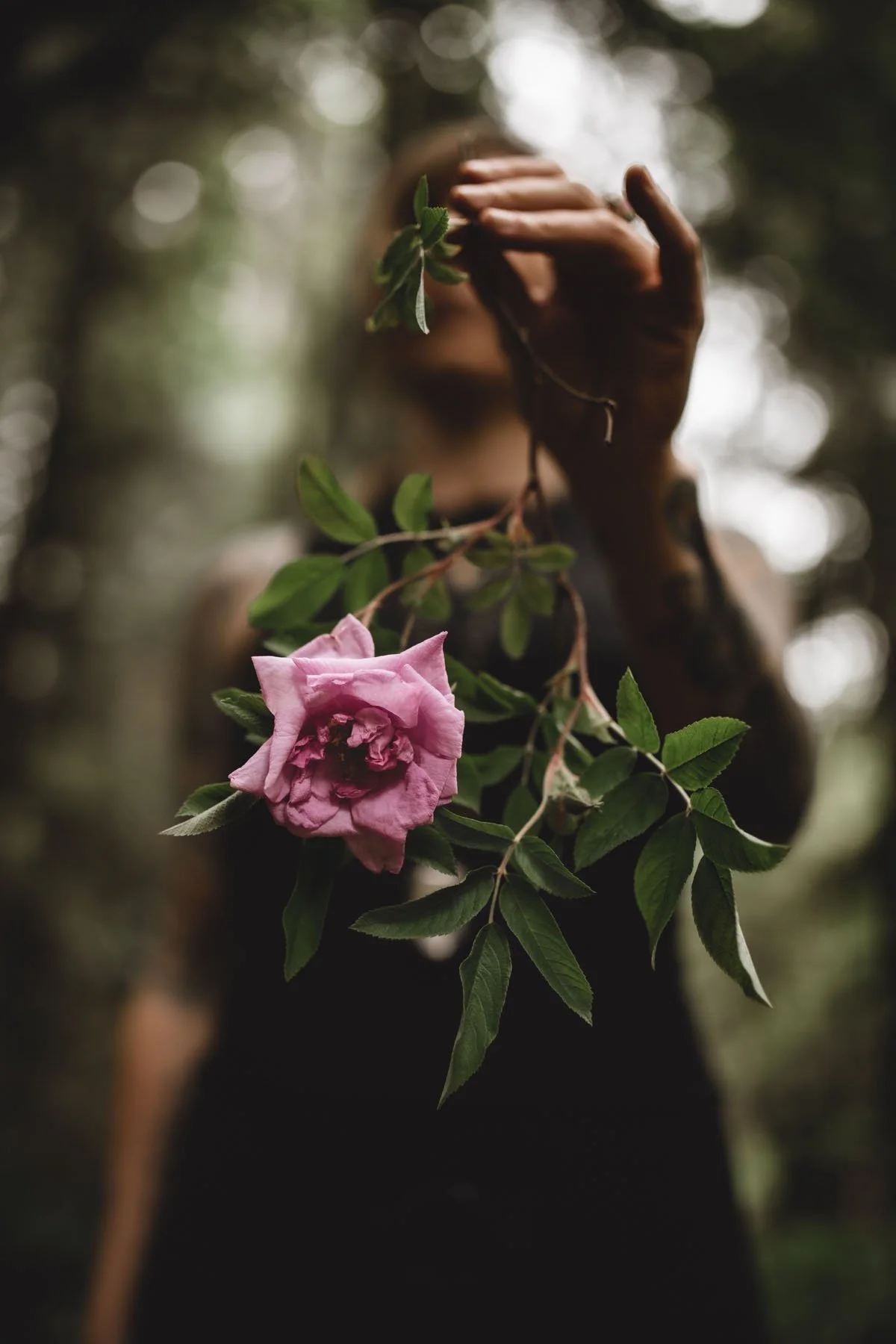
There was a period of my life, in my early 20’s, when I lived off-grid, far from the hum of streetlights and schedules, and it changed the way I understood time. Without the constant glow of electricity or the structure of a fixed workday, the rhythm of the world around me became impossible to ignore. I worked, moved, and rested according to the temperature, the weather, and the shifting hours of daylight. The phases of the moon made themselves known in the way the nights felt, the way the land looked, and in the way my own energy rose and fell.
I don’t share this here as an ideal or as something anyone needs to replicate.
I do not believe you need to live off-grid to feel the seasons.
But those years did make something viscerally clear to me that I had long sensed: human beings are meant to live in relationship with cycles.
Modern life trains us away from that knowing. We’re encouraged to keep the same pace, the same productivity, the same expectations of ourselves, regardless of the season. But this insistence on sameness, on flat, linear time, runs counter to the way life actually moves.
Everything in nature waxes and wanes, and all life moves with its own tidal rhythms.
The Cost of Losing Rhythm
When we live disconnected from seasonal rhythms, we often feel unmoored in ways we can’t immediately name. Fatigue shows up in unexpected ways. Creativity runs dry. Our emotional landscape feels flat or unpredictable. It’s not that anything is “wrong” with us; it’s that we’re moving out of sync with the world we belong to.
Many people I work with tell me they feel overwhelmed, depleted, or stuck, and often a portion of that is simply the friction of trying to maintain a constant output while the natural world, our first teacher, moves in expressions of expansion and contraction, growth and decay.
Re-entering a relationship with these larger cycles doesn’t solve everything, but it does offer a kind of orientation. A sense of belonging. A reminder that change is natural, rest is part of the arc, and there is a time for all things.
Seasonal Ritual as a Way of Remembering
Seasonal ritual isn’t about performance or aesthetics. It’s about re-engaging a conversation with the world around us. When I talk about seasonal ritual, I mean simple practices that help ground us in the cycles already happening, such as:
Creating and tending seasonal altars, using natural objects, symbols, and images that reflect the time of year and what it’s evoking within you.
Eating seasonally, letting your meals echo what the land is offering.
Allowing lifestyle rhythms to shift, more rest in winter, more outward movement in summer, and intentional transitions in autumn and spring.
Letting the seasons inform creative cycles, planting, gestating, harvesting, and composting on an inner and outer level.
Working with plants and the land, noticing what grows, what dies back, and what persists.
These aren’t grand gestures, and they don’t need to be. They are small, cumulative acts of remembering.
In my own life, these simple practices help re-establish a felt sense of relationship with the land, with time, with my body, and with something larger than myself. They help me to locate myself in the flow of life and reconnect with a sense of belonging that can be hard to find in a culture built on speed and disconnection.
An Animist Way of Being with the Seasons
At the heart of this approach is a simple animist understanding: the world around us is alive, responsive, and participatory. The seasons are part of the wider animate field we move within, offering cues and guidance that our bodies instinctively respond to.
When we pay attention, we begin to sense the ways our inner life echoes what is happening outside. We soften in winter, we rise in spring, we ripen in summer, we release in autumn. We move through cycles of clarity and confusion, fullness and emptiness, loss and return.
There is comfort in feeling ourselves reflected in something so vast, and there is greater trust to be found in recognizing that our fluctuations are not problems; they are natural patterns.
Seasonal ritual isn’t a return to something quaint or old-fashioned. It’s a return to something honest. When we orient ourselves to the seasons, our expectations of ourselves become more humane. Our creativity becomes more sustainable, our grief and our growth both find context, and everyday life begins to feel less like something we must control and more like something we are in relationship with.
Living in rhythm doesn’t require dramatic change either. It simply asks for attention. A slow re-training of the senses back toward what is always happening around us.
Over time, this way of relating to the world becomes a practice of belonging, to the land, to our own inner tides, and to the larger story of life.
A Quiet Invitation
If something in you feels called toward a deeper rhythm — the pull of the moon, the shift in light, the rise and fall of your own energy — seasonal ritual can offer a doorway.
You might ask:
Where in my life do I feel out of sync?
What kind of rhythm am I longing for?
What season am I in, inwardly, right now?
These questions have guided my own practice for years, and they continue to guide the circles I hold. You can begin gently, with whatever is close at hand: a candle on your table, a stone you found on a walk, a moment to notice the quality of light.
Listening to the seasons is another way of listening to the body.
Both draw us into deeper relationship.
Both invite us home.